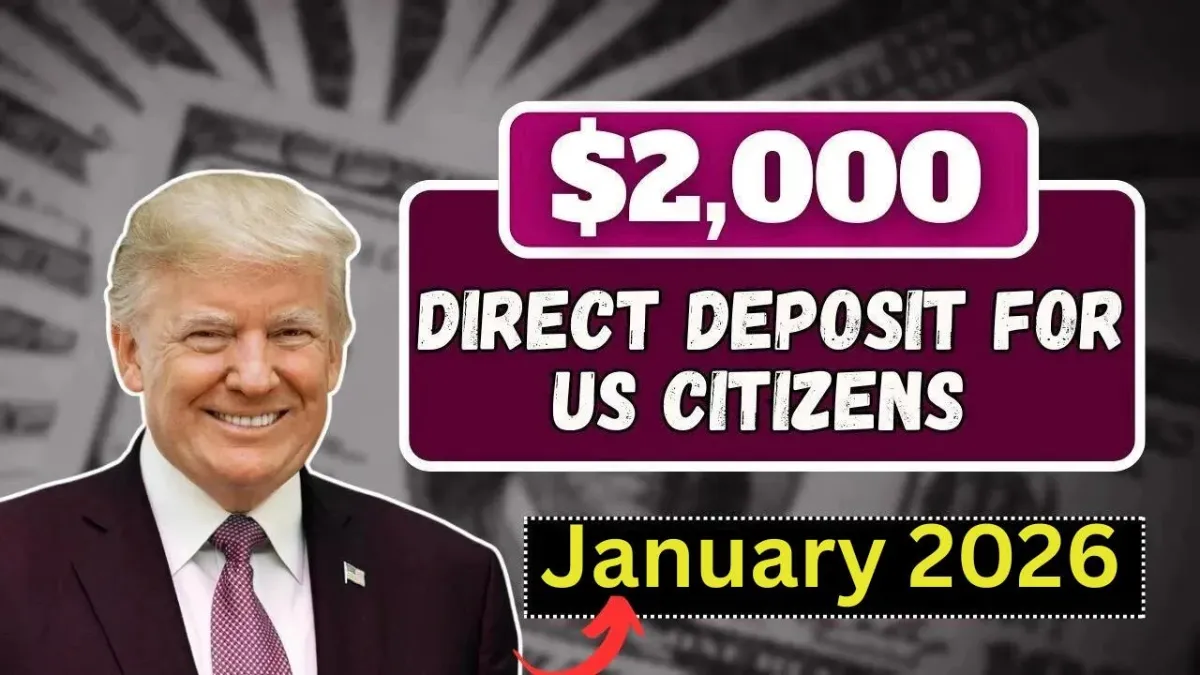
Federal $2,000 Deposit:As January 2026 approaches, discussions about a $2,000 federal deposit are circulating online and on social media platforms. Many people are asking: Is this true? Who is eligible? When will it be distributed? Before expectations rise, it’s crucial to understand what has been officially confirmed — and what is still rumor or misinformation.
Here’s a clear and straightforward explanation of what’s happening, based on reliable information.
Is a $2,000 federal payment officially coming in January 2026?
The short answer is: No federal agency has officially announced a guaranteed direct deposit payment of $2,000 for all Americans in January 2026. There is currently no confirmed federal stimulus program authorized that would mandate such a payment or establish its rules and dates.
Claims circulating online—many accompanied by “payment calendars” or eligibility checklists—are typically based on speculation, sourced from unofficial blogs, or recycled from previous relief programs. Some even originate from outright scam sites attempting to capitalize on public interest in federal payments.
Why is There so Much Confusion Surrounding The $2,000 Payment?
There are a few reasons for these rumors:
1. The History of Stimulus Payments and Proposals
Previously, the federal government has issued one-time payments (such as the Economic Impact Payments during the pandemic), and political figures have floated ideas like “tariff dividends.” However, none of these ideas have been enacted into law for January 2026.
2. Routine IRS or Agency Payments
Tax refunds, corrections, or adjustments can sometimes show up as amounts around $2,000 — especially if refundable tax credits (like the Earned Income Tax Credit) are involved. But these are standard refund processes tied to individual tax returns, not new federal stimulus checks.
3. Targeted Agency Payments
Specific groups — such as veterans, military members, or retirees — may receive one-time or supplemental payments tied to their benefit programs. For example, a $2,000 special duty bonus for certain armed forces members has been reported. But these are not universal payments for all citizens.
Reliable Guidance: What the Agencies Are Actually Saying
Currently, official information from the IRS, U.S. Treasury, or federal benefit agencies does not include any plans for a nationwide $2,000 direct deposit in January 2026. Any legitimate federal program that would authorize such a payment would:
- Be passed into law by Congress
- Be funded and mandated by that law
- Be publicly announced by the IRS, the Treasury Department, or the Social Security Administration
None of these things have happened for a $2,000 payment this January.
Why might you receive a $2,000 deposit in your account?
While there is no universal payment, some people may see a deposit around this amount in January or early 2026 due to the following reasons:
- A federal tax refund from your 2025 tax return, especially if refundable credits apply
- Corrections or late payments from previous years that were processed after review
- Specific benefit supplements for programs such as military pay or veteran allowances
These deposits are routine financial transactions and not part of any newly authorized “federal $2,000 check.”
Beware of Scams
When news of large federal payments spreads, scammers often become more active. The IRS and other agencies have warned that:
- They do not contact taxpayers via unsolicited text messages, emails, or social media posts regarding deposits or eligibility.
- They will never ask for personal information such as your Social Security number or bank details through random messages.
If someone contacts you to “verify” information to receive a $2,000 payment—especially if they are pressuring you to act quickly—consider it suspicious. Always verify information directly through official government portals.
What Recipients Should Do Now
Since a new federal $2,000 payment has not been confirmed, here’s what you should do:
- If you filed taxes, check your IRS account—use the Where’s My Refund? tool for updates.
- Ensure your banking information is up-to-date with the relevant agencies to facilitate the smooth delivery of refunds or benefit payments.
- Stay informed by checking official sources (IRS.gov, Treasury.gov, SSA.gov) and do not rely on social media posts or unofficial websites.
- If you rely on Social Security or other recurring federal payments, keep track of your benefit schedule.
Frequently Asked Questions (FAQs)
Q 1: Will everyone in the U.S. get a $2,000 payment in January 2026?
Ans: No. There is no officially approved federal program ensuring all U.S. citizens receive a $2,000 payment this month.
Q 2: Why do some people claim it’s “confirmed”?
Ans: Many online claims are based on speculation, misinterpretation of past relief programs, or unverified sources. Official announcements have not been issued.
Q 3: Could Congress still approve something later?
Ans: It’s possible, but no such legislation has been passed as of January 2026. Any future program would require formal approval and public notice.
Q 4: What if I see a $2,000 deposit — where can I verify it?
Ans: Use official agency portals (IRS, SSA, etc.) and verify the deposit source on your account. Do not trust unsolicited messages.
Q 5: Are there any government payments scheduled for January 2026?
Ans: Yes — routine benefit payments like Social Security and tax refunds continue as usual, but these are not “stimulus” checks.
Conclusion
Interest in the federal $2,000 payment reflects genuine financial concerns, but official records do not support a nationwide deposit plan for January 2026. Always rely on verified government channels for updates, and be wary of unofficial or sensational claims online. Patience and informed vigilance will help you stay ahead of misinformation and protect your financial well-being.